The Midnight
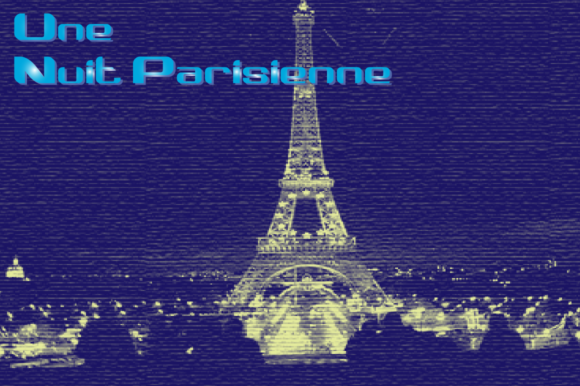
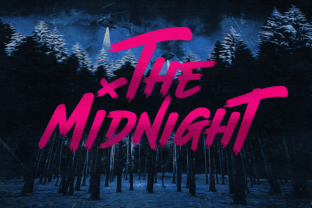
The Midnight is more than a font—it’s a deliberate design decision with functional weight. Named for its evocative, low-light intensity and rooted in the visual language of 1980s analog horror, synthwave, and retro-futurism, it carries strong tonal clarity without sacrificing legibility. Its sharp terminals, high-contrast strokes, and slightly condensed proportions make it equally effective on screen and in print—especially where mood, hierarchy, and immediacy matter.
Unlike decorative fonts that sacrifice utility for flair, The Midnight maintains typographic discipline: consistent x-height, clear letterforms, and thoughtful spacing. That balance is why designers, marketers, educators, and small business owners reach for it not just to “set a vibe,” but to support real communication goals—whether launching a limited-edition product line, designing a workshop slide deck, or building a brand identity system that needs to feel both nostalgic and forward-looking.
Where The Midnight Fits Into Your Workflow
Typography doesn’t exist in isolation. It enters your process at specific inflection points—often early, but sometimes mid-stream when tone needs recalibration or late-stage when polish reveals a mismatch. With The Midnight, timing matters less than intention. You’ll use it most effectively when you need to signal authenticity, urgency, or controlled intensity—not whimsy or neutrality.
For example, a freelance copywriter might choose The Midnight for a client’s email subject line preview (where boldness reads fast in crowded inboxes), then switch to a neutral sans-serif for body text. A podcast host launching a new season themed around urban mystery might apply The Midnight only to episode titles and cover art—never to show notes or transcripts—preserving readability while reinforcing narrative cohesion. In both cases, the font isn’t applied broadly; it’s deployed selectively, like a highlighter, to direct attention and deepen resonance.
Integration Before, During, and After Projects
Before a project: Use The Midnight in mood boards, pitch decks, or creative briefs to establish visual tone before assets are built. When stakeholders see it paired with appropriate color palettes (deep indigo, electric cyan, matte black) and texture (grain, scan lines, subtle VHS distortion), alignment happens faster. It signals intent clearly—reducing back-and-forth about “feel” later on.
During execution: Embed The Midnight into design systems where appropriate—not as the default, but as a defined “accent typeface.” In Figma or Adobe XD, name it clearly (e.g., “Heading – Midnight Bold”) and restrict usage to H1s, hero banners, or CTA buttons. This prevents overuse and maintains contrast with supporting type. If you’re coding a landing page, load it via a reliable CDN (like Google Fonts if available, or self-hosted via @font-face) and define fallbacks (font-family: "The Midnight", "Helvetica Neue", sans-serif;) to ensure graceful degradation across devices.
After launch: Audit usage. Does The Midnight appear where it adds value—or has it crept into footers, data tables, or mobile navigation? Consistency isn’t about uniformity; it’s about predictability. If users expect bold, cinematic impact from The Midnight, seeing it on a tiny copyright line dilutes its power. Trim, refine, and document usage rules so future edits stay intentional.
Compatibility and Practical Constraints
The Midnight works best in environments that support OpenType features and variable weight control. If you’re using it in Canva or Mailchimp, verify which weights are available (often only Bold or Black)—and test rendering on iOS and Android. Some platforms rasterize custom fonts poorly at small sizes, so avoid sub-16px usage for body copy. For accessibility, never rely solely on The Midnight for critical information: pair it with sufficient color contrast (at least 4.5:1 against background), and always provide alt text for image-based text using the font.
It also interacts meaningfully with other tools. In Notion, use it sparingly in page headers—but know that it won’t render natively unless embedded via HTML blocks (which require a Pro plan). In PowerPoint or Keynote, convert titles to outlines before sharing externally to preserve appearance. And if you’re licensing The Midnight for commercial use, confirm whether your license covers web embedding, app integration, or merchandise—many independent foundries structure permissions by use case, not just seat count.
Workflow Examples Across Roles
- Educators: Use The Midnight for course module titles in LMS dashboards (e.g., “Unit 3: Digital Shadows”)—not lesson content—to create psychological hooks without compromising readability during study sessions.
- Small business owners: Apply it to limited-time offer banners on Shopify stores (“FLASH SALE — ENDING AT MIDNIGHT”), then revert to system fonts elsewhere. The contrast makes urgency legible at a glance.
- Bloggers and newsletter writers: Reserve The Midnight for newsletter subject lines and banner images—never inline text. Test open rates over 3–4 sends to see if the aesthetic lift translates to engagement, not just novelty.
- Productivity-focused users: Integrate it into physical planners or Notion templates for high-priority goals (“Q3 Launch”, “Contract Deadline”)—but only where visual distinction improves recall, not clutter.
Long-Term Usability and Quality Control
A font’s longevity depends less on trend cycles and more on how cleanly it integrates into repeatable systems. The Midnight holds up well over time because its stylistic cues are specific—not generic “retro”—and its construction avoids dated gimmicks (no forced glitches, no unstable kerning pairs). Still, revisit usage every 6–12 months: does it still serve your audience’s expectations? Has your brand voice matured beyond its initial edge?
Build simple quality checks into your process. Before exporting any deliverable, ask: Is The Midnight doing measurable work here—or just filling space? Does it coexist cleanly with photography, icons, or illustrations? Does it scale reliably across breakpoints? These aren’t aesthetic nitpicks—they’re consistency safeguards that compound over dozens of projects.
Also consider organizational hygiene. Store The Midnight files in a shared team folder with version notes (e.g., “The Midnight v2.1 – includes Cyrillic support”). Name layers in design files explicitly (“[FONT] Midnight Bold – Hero Title”). When onboarding contractors or interns, include a one-paragraph usage guide—not just “use this font,” but “use it for X, not Y, and here’s why.” That kind of clarity prevents drift and preserves intent across contributors.
Final Implementation Notes
You don’t need to “adopt” The Midnight wholesale. Start small: pick one recurring asset—a webinar banner, a product label, a presentation template—and commit to using it there for 30 days. Observe how it changes perception, scanning behavior, or even internal alignment. Then expand—or refine—based on evidence, not assumption.
Remember: typography is infrastructure. It supports action, not replaces it. The Midnight gains power when it’s tied to purpose—not just nostalgia. Whether you’re drafting a grant proposal, prototyping an app interface, or designing a conference badge, let it do what it does best: sharpen focus, elevate stakes, and make the important things impossible to ignore.