Yokelvision: The Cartoon-Ready Font That Delivers Bam Pow Whallop Energy
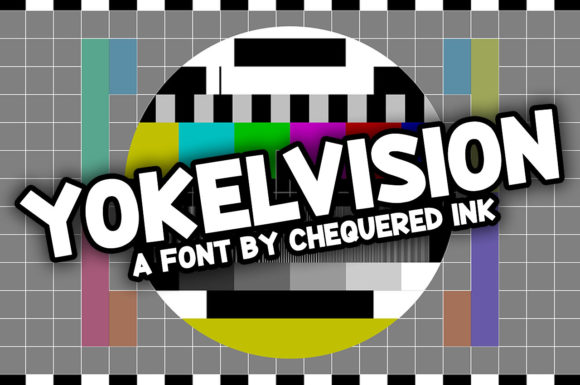
If you’ve ever tried to capture the fizzy, kinetic energy of classic comic book titles—or needed a font that screams “action!” without saying a word—you’ve likely stumbled upon Yokelvision. Designed with bold, irregular letterforms and exaggerated weight shifts, it’s not just playful—it’s purpose-built for impact. Think of it as the typographic equivalent of a rubber-hose animation character leaping off the page: bouncy, expressive, and unmistakably alive. It’s especially effective for cartoon effects, comic covers, merch designs, animated intros, and any project where clarity meets charisma.
Why People Reach for Yokelvision (and Why That’s Not Always Enough)
Many creators choose Yokelvision because it *feels* right—immediately fun, nostalgic, and attention-grabbing. That instinct isn’t wrong. But enthusiasm alone can lead to missteps, especially when typography intersects with real-world constraints like readability, licensing, or technical compatibility. Unlike neutral sans-serifs or versatile serifs, Yokelvision operates in a specific stylistic lane—and stepping outside that lane often backfires.
Common Missteps—and What They Cost You
Assuming it works at small sizes. Yokelvision thrives at 36pt and up. Its tight counters, uneven strokes, and intentional “wobble” blur into illegibility below 20pt—even on high-res screens. One freelance illustrator used it for a mobile app’s hero banner, only to discover users couldn’t read the headline without zooming. The fix? Swap to Yokelvision for the logo and a clean, legible companion font (like Comic Neue or Quicksand) for body text. Always test at actual usage size—not just in your design preview.
Overlooking licensing scope. Yokelvision is free for personal use, but commercial projects—including client work, merchandise, or monetized digital content—require a license. Some designers assume “free download = free forever,” then get flagged by platforms like Etsy or Shopify for unlicensed font use. Worse, they risk takedown notices or fines. Before downloading, check the official source (usually the designer’s site or reputable foundries like DaFont or MyFonts) for clear license terms. When in doubt, buy the commercial version—it’s typically under $25 and covers unlimited projects.
Mixing it with too many other display fonts. Yokelvision has strong personality—so much so that pairing it with another loud, decorative font (like Bangers or Chewy) creates visual noise, not harmony. A small business owner once used Yokelvision for her bakery’s logo *and* menu headers, then added a handwritten script for specials. The result? A chaotic hierarchy where nothing felt prioritized. Better approach: Use Yokelvision for one standout element (e.g., the shop name), then switch to a simple, friendly sans-serif (like Inter or Open Sans) for everything else. Let it shine—don’t compete with it.
Ignoring spacing and kerning adjustments. Because Yokelvision’s letters are drawn with hand-drawn energy—not algorithmic precision—default tracking often feels cramped or uneven. One educator used it for a classroom poster titled “BAM POW WHALLOP SCIENCE WEEK!” but didn’t adjust letter spacing. The “POW” ran together, reading more like “POWHA” at a glance. Fix: Manually loosen tracking by +50–100 units in design software, or use optical kerning if available. Even small tweaks restore rhythm and intention.
What to Check Before You Commit
Before downloading, buying, or embedding Yokelvision, ask yourself three practical questions:
- Where will this live? Is it for print (comic cover, poster), web (animated SVG title), or video (motion graphics)? Each medium has different rendering quirks—especially web fonts, which may require WOFF2 conversion or CSS fallbacks.
- Who needs to read it—and how quickly? If it’s a call-to-action button or social media thumbnail, prioritize scannability over style. Yokelvision excels for short, high-impact phrases (“ZAP!”, “GO!”, “FINALE!”), not paragraphs or instructions.
- Does it reflect your brand’s voice—not just its energy? A law firm’s newsletter doesn’t need “bam pow whallop.” But a kids’ podcast intro? Absolutely. Match tone to audience, not just trend.
Better Alternatives When Yokelvision Isn’t the Right Fit
That said, Yokelvision isn’t universal—and that’s okay. If you need similar energy but broader flexibility, consider these alternatives:
- Comicraft’s Action Comics: More refined than Yokelvision, with tighter spacing and built-in OpenType features (swashes, alternates). Ideal for professional comic lettering where consistency matters.
- Superclarendon Bold: A robust, slightly retro slab serif that delivers punch without sacrificing readability at medium sizes—great for posters or presentation titles needing authority *and* flair.
- Qwigley: A Google Fonts option—free, open-source, and optimized for screen use. Less “cartoon chaos,” more “friendly hand-drawn charm.” Perfect for blogs or educational sites wanting approachability.
None replace Yokelvision’s specific vibe—but each solves a different problem. Choosing wisely means asking, “What do I *need*, not just what looks cool?”
A Final Note on Using Yokelvision Well
Typography is communication first, decoration second. Yokelvision communicates excitement, spontaneity, and irreverent joy—and it does that brilliantly when used intentionally. It’s not about avoiding mistakes entirely; it’s about recognizing where your instincts might skip a step (like testing size, checking licenses, or adjusting spacing) and building in those checks early. A designer who spent ten minutes adjusting kerning before exporting saved her client two rounds of revision. A blogger who verified licensing before launching her merch store avoided a stressful copyright claim. Small habits compound.
So go ahead—use Yokelvision for that comic cover, that YouTube intro, that festival banner. Just do it with awareness. Let the “bam pow whallop” land where it’s meant to: loud, clear, and unforgettable.