Boo Boo Kitty: A Retro Comic Font with Texture & Character
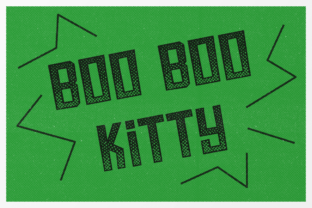
If you’ve ever flipped through a vintage comic book and felt that unmistakable buzz—the slight grain of the ink, the uneven halftone dots, the bold, blocky lettering jumping off the page—you’ll instantly recognize the spirit behind Boo Boo Kitty. This isn’t just another decorative font. It’s a tactile, intentional revival of 1990s indie typography, designed to evoke the charm and imperfection of analog comic printing—down to the slightly messy background texture and playful contrast between plain and textured glyphs.
What Makes Boo Boo Kitty Distinctive?
At its core, Boo Boo Kitty is a display font built for impact and personality. Its blocky, all-caps origins (first released in 1997) gave it strong visual presence, but its recent update added lowercase letters and full sets for both background options—plain and halftone-textured. That means designers now have real flexibility: use the textured version for posters or merch that need instant retro credibility, or switch to the cleaner variant when legibility at smaller sizes matters more.
The halftone gradient texture isn’t just decorative—it’s functional storytelling. It mimics how ink sat on cheap newsprint, adding warmth and authenticity without requiring manual layering or filters. And because it’s baked into the font itself, it works reliably across apps: no extra plugins, no rasterization surprises, no lost fidelity when scaling or exporting.
For Designers & Creative Professionals
You care about craft, context, and control. With Boo Boo Kitty, you get both stylistic consistency and expressive range. Need a headline that feels like a 1995 zine cover? Done. Want to pair it with a clean sans-serif body text for contrast that breathes? Also done. The dual background options let you fine-tune tone—textured for energy and nostalgia, plain for clarity and modern edge. No need to hunt down separate assets or build custom textures from scratch.
For Educators & Content Creators
Teaching typography, design history, or digital media? Boo Boo Kitty is a great case study in how technical constraints (like early web fonts or low-res print) shaped aesthetic choices—and how those choices still resonate today. You can use it in classroom slides to demonstrate halftone effects, or assign students a project reimagining a modern brand identity using only retro-inspired type. Its accessibility-friendly weight and generous spacing also make it surprisingly effective for large-format presentations or inclusive learning materials where readability meets character.
For Small Business Owners & Marketers
You’re not just choosing a font—you’re choosing a vibe your audience will feel before they read a word. A coffee shop launching a “Retro Rewind” weekend event? Boo Boo Kitty on banners and social graphics instantly signals fun, approachability, and intentionality. An indie record label releasing a vinyl reissue? That halftone texture subtly echoes the physicality of analog audio. Because it’s versatile enough for both print and digital—and licensed for commercial use—it saves time evaluating multiple fonts or negotiating custom rights.
For Bloggers, Writers & Freelancers
Even if you don’t consider yourself a designer, type shapes how people receive your voice. Boo Boo Kitty works well for section headers, pull quotes, or newsletter banners—especially if your content leans into pop culture, nostalgia, DIY culture, or creative nonfiction. Its updated lowercase support means you can set short subheads or callouts with natural rhythm, not forced all-caps shouting. And because it’s lightweight and web-ready, it won’t slow down your site—no heavy font files or render-blocking scripts.
For Hobbyists & Makers
If you’re laser-cutting signs, designing enamel pins, or hand-lettering mockups before digitizing, Boo Boo Kitty’s blocky structure and clear outlines make it highly adaptable. The texture holds up beautifully at medium-to-large sizes on physical media, and the consistent stroke weight helps avoid cutting errors or misregistration. Plus, its playful yet grounded personality fits naturally with handmade aesthetics—think craft fair signage, zine covers, or custom T-shirt prints where charm matters as much as precision.
Practical Considerations—Not Just Aesthetics
Before reaching for Boo Boo Kitty, ask yourself: What’s the job this font needs to do?
- Ease of use: It installs and behaves like any OpenType font—no special software required. Works natively in Figma, Adobe apps, Canva (via upload), and most modern editors.
- Legibility: Best at 24pt and above for display use. Avoid long paragraphs—but perfect for headlines, logos, buttons, or short labels where attention-grabbing matters more than scanning.
- Flexibility: The dual background options mean one purchase gives you two distinct moods. Combine them thoughtfully—e.g., textured for main logo, plain for supporting text—to create hierarchy without visual noise.
- Commercial value: Licensed for unlimited projects, including client work and merchandise. No per-seat fees or subscription locks—ideal if you juggle freelance gigs, side projects, and personal brands.
- Long-term usefulness: Unlike trend-driven fonts that fade fast, Boo Boo Kitty taps into enduring visual language—comic art, punk zines, analog warmth. It’s likely to feel fresh five years from now, not dated.
When Boo Boo Kitty Fits—And When It Might Not
This font shines when your goal is expressiveness with roots: branding with personality, editorial design with attitude, or any project where authenticity and tactile feel matter. It’s less ideal for interfaces requiring dense text, formal reports, or contexts where neutrality or corporate polish is expected.
Beginners will appreciate how quickly it delivers results—drop it in, and suddenly your flyer feels intentional. Seasoned designers will value its thoughtful details: the subtle variation in dot density across characters, the way the texture interacts with anti-aliasing, the balance between playfulness and structure.
Ultimately, Boo Boo Kitty isn’t about chasing trends. It’s about having a tool that carries history, texture, and joy—without demanding expertise to wield it well. Whether you're sketching a logo on paper, building a Shopify banner, or teaching a workshop on analog inspiration in digital design, it offers a rare blend: nostalgic heart, practical function, and quiet confidence in its own voice.