Mosa: A Modern Display Font with Elegant Charm
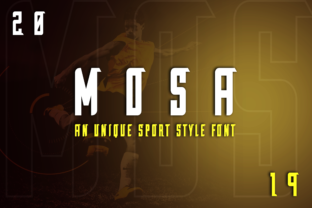
Mosa is a contemporary display font designed to stand out—not with loudness, but with quiet confidence. It’s not meant for long paragraphs or body text. Instead, Mosa shines where first impressions matter: headlines, logos, posters, social media banners, and product packaging. Its clean lines, subtle curves, and balanced proportions give it a refined, almost architectural presence—modern without feeling cold, stylish without sacrificing warmth.
What Makes Mosa Feel So Distinctive?
At its core, Mosa balances contrast and harmony. The uppercase letters have gentle stroke variation—thicker horizontals and slightly tapered verticals—that adds visual interest without overwhelming the eye. Lowercase characters flow smoothly, with open counters and generous spacing that improves legibility even at larger sizes. There’s a soft rhythm to the letterforms, like handwriting refined by careful design. That “beautiful feel” isn’t just poetic—it’s built into the spacing, weight distribution, and subtle personality of each glyph.
Unlike many display fonts that lean heavily into trend-driven quirks (think exaggerated serifs or extreme geometric rigidity), Mosa stays grounded. It doesn’t shout—it invites attention. That makes it unusually versatile across tones: a wedding invitation can feel timeless with Mosa, while a tech startup’s hero banner feels fresh and approachable.
Where Does Mosa Fit Into Real Projects?
Think about moments when you want your message to land with clarity and grace—Mosa works best there. A small bakery launching a new seasonal menu might use Mosa for the header “Autumn Harvest Pastries,” pairing it with a simple sans-serif for body text. The contrast elevates the title without distracting from the food photos. Or imagine an educator designing a workshop handout—the session title in Mosa adds polish and intention, signaling care and professionalism before the first word is read.
Bloggers and content creators often face the challenge of making static graphics pop on crowded feeds. A quote graphic with “Clarity begins with simplicity” set in Mosa—centered over a muted background—draws the eye naturally and feels intentional, not generic. Freelancers building personal brand assets (like business cards or portfolio headers) find Mosa helps communicate creativity and craftsmanship without leaning on clichéd script fonts.
For small business owners, Mosa supports branding consistency. It works equally well on a minimalist storefront sign, a Shopify homepage banner, or an Instagram Story highlight icon. Because it’s display-oriented, it scales beautifully—from 24px on a mobile screen to 120px on a printed poster—without losing its character.
Simple Pairings That Just Work
Mosa thrives alongside typefaces that respect its elegance without competing. Try it with:
- A neutral, highly readable sans-serif (like Inter, Lato, or Montserrat) for supporting text—ideal for websites, presentations, or flyers.
- A light-weight serif (such as Playfair Display Light or Cormorant Garamond) for sophisticated editorial layouts—great for newsletters or boutique product pages.
- Even clean monospaced fonts (like IBM Plex Mono) for unexpected contrast in creative portfolios or developer-facing branding.
The key is balance: let Mosa lead, then step back with quieter companions. Avoid pairing it with other high-contrast or decorative display fonts—that dilutes its impact.
What to Keep in Mind Before You Use Mosa
Because Mosa is a display font, it’s intentionally designed for shorter bursts of text. Using it for full paragraphs, dense captions, or interface labels will strain readability—and may unintentionally signal informality or lack of polish. If your project needs both headline flair and extended reading comfort, plan for two fonts from the start: one for impact (Mosa), one for clarity (a trusted workhorse).
Licensing is another practical detail. Mosa is available through reputable foundries and font marketplaces—always check the license terms before using it commercially. Most standard licenses cover web, desktop, and app use, but extended rights (like embedding in SaaS platforms or merchandise resale) may require upgrades. When in doubt, review the vendor’s documentation—it saves time and avoids surprises later.
Also consider your audience’s context. While Mosa’s modern aesthetic appeals broadly, some sectors—like finance or legal services—may prefer more traditional typography for initial credibility. In those cases, Mosa still works beautifully for secondary elements: section dividers, callout boxes, or visual summaries—adding subtle distinction without undermining trust.
Getting Started Is Refreshingly Simple
You don’t need design experience to begin exploring Mosa. Many platforms support it right away: upload it to Canva or Figma, activate it in Adobe Creative Cloud, or embed it via Google Fonts (if available through their library). Start small—replace the default heading font in a social post draft or redesign just one slide in a presentation. Notice how the tone shifts: cleaner, calmer, more considered.
Experiment with size and spacing. Mosa gains presence with generous letter-spacing (especially at large sizes), and looks especially strong in all-caps for short phrases. Try setting “New Beginnings” or “Thoughtfully Made” in Mosa with 10–15% tracking—then step back. That’s the elegant touch people respond to instinctively.
For educators and students, Mosa also works well in classroom visuals—projected slides, digital worksheets, or student presentation templates. Its clarity at a distance and friendly structure make concepts feel accessible, not intimidating. And because it’s modern rather than whimsical, it suits serious topics without feeling sterile.
Why Mosa Resonates Across So Many Roles
Whether you’re launching a side hustle, updating your teaching materials, designing a friend’s baby announcement, or refining your freelance website, Mosa offers something rare: effortless sophistication. It doesn’t ask you to be a typographer to use it well. Its strength lies in thoughtful restraint—not flashy novelty.
That’s why creators who value authenticity over trends keep returning to Mosa. It supports your voice instead of overshadowing it. It helps your ideas feel intentional, your brand feel cohesive, and your projects feel complete—even before you add color or imagery.
If you’ve ever hesitated to try a new font because it felt “too much” or “not quite right,” Mosa is worth a second look. It’s cool without trying too hard. Modern without forgetting warmth. Elegant without demanding attention. And above all—it’s ready to help your next project say exactly what you mean, in a way that feels quietly unforgettable.