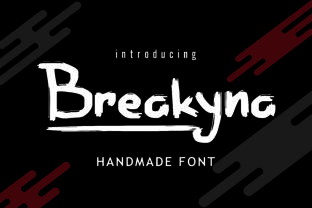
Zurich: Bold, Chunky & Full of Character
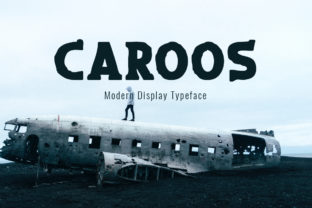
If you've ever seen a headline that feels like it’s been stamped into concrete—solid, confident, and just a little raw—you’ve probably encountered Zurich. It’s not a font for quiet whispers or subtle suggestions. Zurich is a display typeface built to command attention: chunky in weight, bold in presence, and unmistakably textured with a rough-edged charm.
What Makes Zurich Stand Out?
Zurich doesn’t try to be everything. It’s designed for impact—not body text, not fine print, but moments where personality matters most. Its thick strokes, uneven contours, and intentional imperfections give it a hand-crafted, almost tactile quality. Think of it as the visual equivalent of a well-worn leather jacket or brushed-metal signage: industrial, honest, and full of attitude.
Unlike ultra-smooth sans-serifs or delicate serifs, Zurich embraces irregularity. That “rough edge” isn’t a flaw—it’s part of its voice. Letters might taper slightly unevenly, corners may feel chiseled rather than rounded, and spacing can lean into expressive asymmetry. This makes Zurich especially effective when you want to signal authenticity, energy, or grounded creativity.
Who Benefits Most From Using Zurich?
Zurich speaks clearly to people who value clarity *and* character—especially when first impressions count. A small business owner launching a new craft brewery might use Zurich for their logo to convey boldness and local grit. A freelance illustrator could apply it to an exhibition poster to match the raw energy of their linocut prints. An educator designing workshop banners might choose Zurich to make titles feel approachable yet authoritative.
It’s also a natural fit for digital spaces where quick recognition matters: social media cover images, YouTube thumbnails, email headers, or even app splash screens. Because it’s so visually distinct at larger sizes, Zurich helps content cut through scrolling fatigue—without needing animation or extra effects.
Real-World Uses You Can Try Today
- Branding elements: Logos, wordmarks, and monograms—especially for food trucks, indie record labels, urban apparel lines, or maker studios.
- Digital displays: Instagram story headers, podcast cover art, landing page hero text, or presentation slide titles.
- Printed materials: Festival posters, zine covers, event tickets, chalkboard-style menus, or limited-run packaging.
- Educational tools: Classroom posters highlighting key concepts, student project titles, or workshop handouts meant to feel inviting—not intimidating.
One beginner-friendly tip: Start by pairing Zurich with a clean, neutral sans-serif (like Inter, Lato, or Open Sans) for supporting text. Let Zurich do the heavy lifting in headlines, then step back and let readability take over in paragraphs. That contrast—bold + calm—creates balance without sacrificing energy.
Where Zurich Fits Into Your Creative Toolkit
Zurich isn’t meant to replace your go-to workhorse fonts. Instead, think of it as a specialist—like a favorite chisel in a woodworker’s kit. You won’t use it for every cut, but when the job calls for precision *and* presence, it delivers.
For marketers, Zurich supports campaigns rooted in realness—think sustainability initiatives, community-driven brands, or wellness offerings that reject polished perfection. For bloggers and creators, it adds instant visual identity to newsletter headers or Patreon banners. And for educators or nonprofit communicators, it helps complex ideas feel human-scaled and accessible—not sterile or distant.
A Note on Tone & Context
Because Zurich carries such strong visual weight, it’s worth pausing before applying it everywhere. Ask yourself: Does this context benefit from assertiveness? Will the audience connect with its texture—or misread it as unrefined?
For example, Zurich works beautifully on a mural promoting a neighborhood music festival—but might feel out of place on a hospital’s patient information leaflet. Similarly, it shines in playful, modern, or artisanal settings but can clash with highly traditional, formal, or minimalist aesthetics unless carefully balanced.
Things to Keep in Mind Before You Use Zurich
First, size matters. Zurich is a display font—so reserve it for larger point sizes (typically 36pt and up). At small sizes, its rough edges and tight spacing can reduce legibility. Don’t force it into captions, footnotes, or mobile navigation bars.
Second, consider contrast and color. Its boldness pairs best with ample white space and simple backgrounds. Overly busy textures or low-contrast color combos (like light gray on off-white) will mute its impact. Try deep navy, charcoal, forest green, or warm black on crisp white—or vice versa—for maximum clarity.
Third, check language support. While many Zurich variants include extended Latin characters, support for accented letters, Cyrillic, or Asian scripts varies by version. If you’re designing for multilingual audiences, verify coverage before finalizing layouts.
And finally—don’t overlook licensing. Zurich is available in both free and premium versions, with usage rights differing across platforms (web, desktop, apps, merchandise). Always review the license terms, especially if you're using it commercially or embedding it in client projects.
Why Zurich Resonates Right Now
In a digital landscape saturated with sleek, algorithm-optimized design, Zurich offers something increasingly rare: visual honesty. Its rough edge signals intention—not oversight. Its chunkiness says “I’m here to stay,” not “I’m passing through.” That resonates deeply with audiences tired of generic templates and faceless interfaces.
Whether you’re naming your first Etsy shop, launching a Substack about sustainable living, or designing a syllabus for a high school design class, Zurich invites you to lead with confidence—and a little grit. It doesn’t ask you to soften your message. It asks you to own it.
So if your next project needs a voice that’s both unmistakable and human-centered, Zurich might be more than just a font choice. It could be the first line of your story—stamped, steady, and full of life.